The diet that outlives everything else
What seventy years of research on the Mediterranean diet actually says, and what it changes on a plate today.
Most food at this level still leaves you heavier. Sugar. Cream. Loaded plates. Lunch that kills the afternoon.
We don't cook that way. A meal should leave you clearer than you sat down. No fog. No three o'clock crash.
The morning after tells you if you ate well.
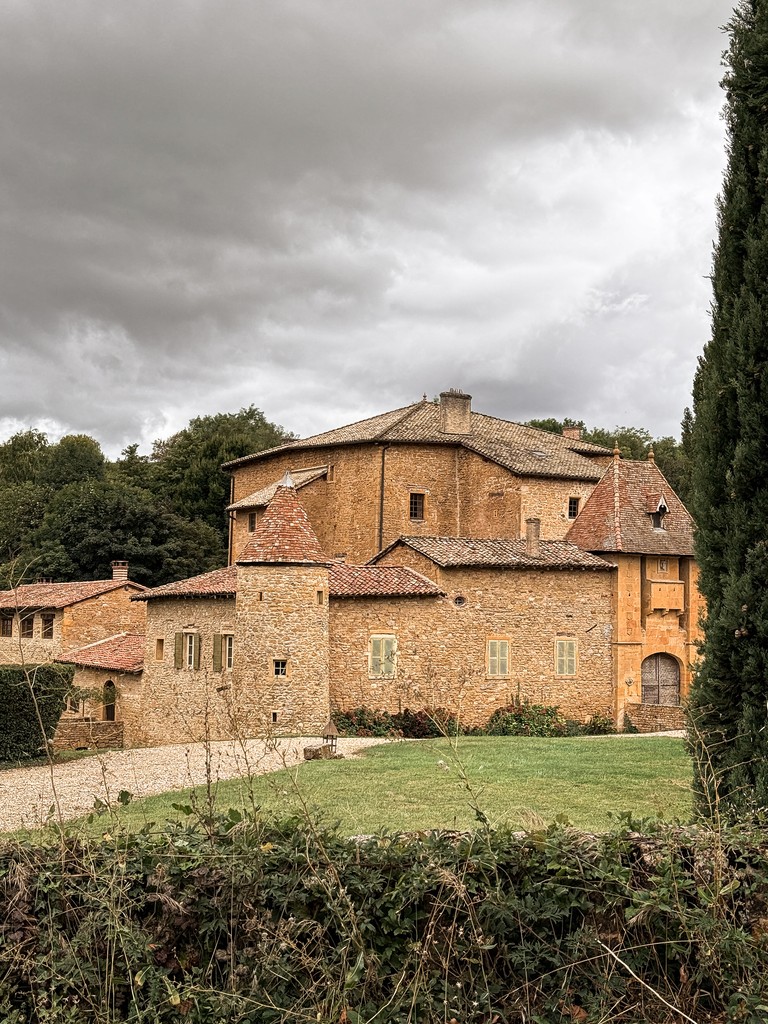
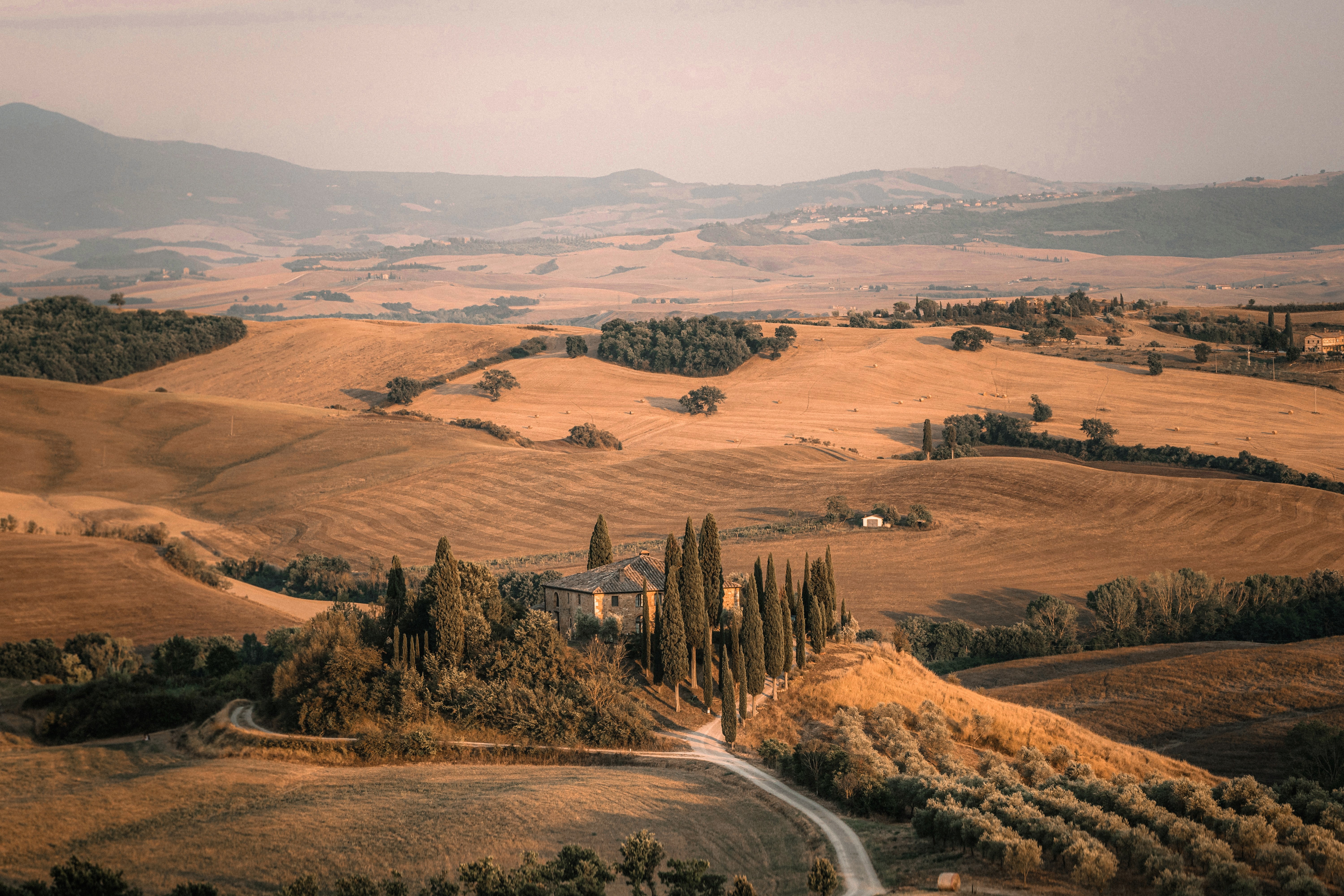
Paolo grew up in the Maremma, the rural south of Tuscany. Farmers and monks have eaten this way there for centuries.
Olive oil at every meal. Wild greens and bitter herbs. Fermented dairy. Ancient grains in small amounts. Fish, legumes, almost no sugar. Meat as ceremony, not habit.
Modern longevity science says similar things now. We're not inventing anything, we learned from grandmothers.
Put ten things on a plate and you taste confusion. Put three, picked at the right moment, and each one is loud. A tomato in August with extra virgin olive oil and raw sea salt beats most complicated dishes.
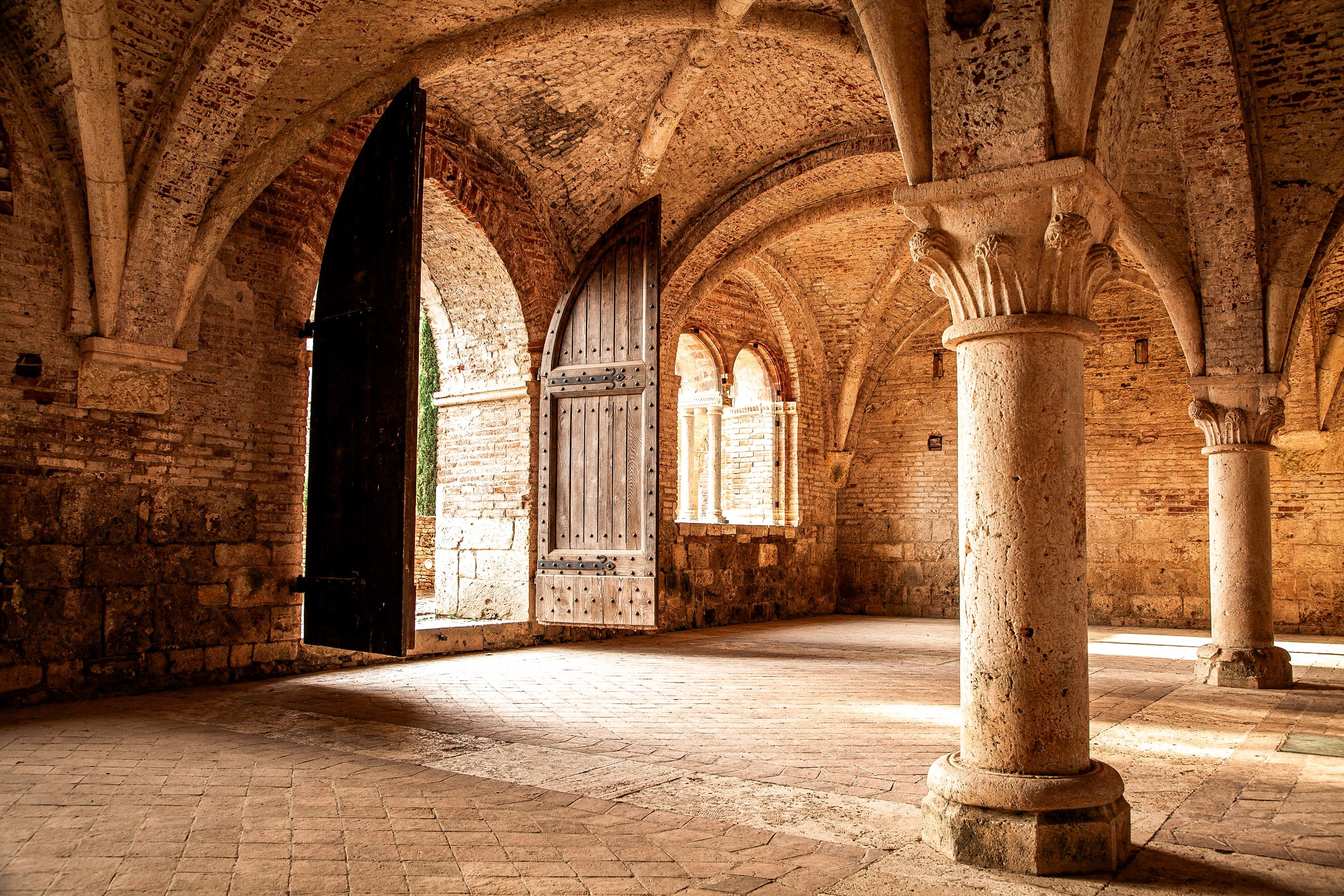
This comes from cucina monastica, the cooking of Italian monasteries. Few things on each plate, each one chosen carefully.
Fewer ingredients, more taste, less load on the body.
We follow the longevity research closely, and Valter Longo's in particular. The Blue Zones research. Five decades of Mediterranean diet studies.
Protein at the right times for muscle. Low glycemic load by default. Anti-inflammatory ingredients in rotation. Ferments for the gut. Three hours between meals so the body resets.
Most cuisine works around the body. We work with it.
Olive oil, black garlic, and mandarin oil come from a small family grove in Vulci, on the Tyrrhenian coast. The grove has been producing for generations. Olive oil pressed once a year. Black garlic fermented forty days. Mandarins cold-pressed for finishing.
Ancient grains from small Italian mills that still grind on stone. Legumes from Castelluccio. Fish from day boats when we're by the sea. Herbs from morning foraging, when the season has them.
Industrial sourcing brings pesticides, antibiotics, microplastics, and heavy metals into kitchens by default. Ours doesn't. Producers we know, in places we've walked.
Italian cooking lives on balance. Salt meets sweet. Acid finds fat. Bitter holds richness. One pinch can shift a plate.
A tomato in August asks for sea salt. A rich brodo wants vinegar at the end. Wild bitter greens lift with lemon and olive oil. Mentuccia transforms an artichoke.
Paolo enters a kind of trance with his senses, taste, searching for the perfect balance. Only then does he serve the plate.
A real ragù takes six hours. Brodo takes the morning. Bread takes a day. Ferments take weeks. Cured meats, months. August tomatoes, a whole season.
Most people don't dedicate this time. We do.
No powders. No jarred shortcuts. No industrial mixes. The taste comes from patience and the love to do the things in the right way.