Corporate hospitality has a problem
It has been optimised for everything except the people in the room
Ask any executive assistant who has organised a corporate event what the hardest part was. Almost none of them will say the food. They'll say the venue, the timing, the guest list, the speakers. The food is the thing that gets handled — not thought about.
This is the problem.
Not because food is the most important thing in a room. But because it is present for the entire duration of whatever you are trying to do, and it either supports that — or it doesn't. A buffet that requires people to stand up and queue at the wrong moment. A service that interrupts a conversation that was finally getting somewhere. A menu so elaborate it becomes the topic, when the topic was supposed to be something else entirely.
These are not small failures. In rooms where relationships are being built and decisions are getting made, the conditions matter. And the food is part of the conditions.
The question nobody asks
Corporate hospitality, as it is generally practised, answers one question: what will people eat?
It is a logistics question. The answer is a menu, a headcount, a delivery time. Somebody checks the dietary requirements box. The vendor confirms. Trays arrive.
The question that rarely gets asked is a different one: what do we want this moment to produce?
These are not the same question. The first leads you to a caterer. The second leads you somewhere else — to the structure of the afternoon, the energy in the room at 2pm versus 6pm, the difference between food that keeps people present and food that makes them want to leave.
When you start from the second question, everything changes. The menu becomes a consequence of the objective, not an independent decision. The service rhythm becomes part of the design. The table itself — what it looks and feels like — becomes a message sent before anyone opens their mouth.
The research backs this up. A 2019 study published in the Journal of Hospitality & Tourism Research found that in corporate event settings, attendee satisfaction was more strongly predicted by perceived intentionality — the sense that the event had been designed with a clear purpose — than by any specific element of food quality or service execution. What people remember is not whether the food was good. It's whether the whole thing felt considered.
The afternoon problem
There is a specific moment that most people who organise corporate events know and dread. It happens around 2:30pm, roughly ninety minutes after lunch.
The room slows. Eyes lose focus. The conversation that was sharp an hour ago becomes effortful. Someone checks their phone. The energy that the morning built quietly drains away.
This is not a willpower problem. It is a physiology problem — and it is almost always caused by what was served at lunch.
Heavy proteins, refined carbohydrates, rich sauces, oversized portions: these are the default of corporate catering because they read as generous. They photograph well. They feel like value. What they produce, reliably, is a blood glucose curve that peaks during the meal and collapses exactly when the afternoon session needs to begin.
The science here is unambiguous. A 2007 study in Physiology & Behavior showed that the severity of post-lunch cognitive decline was directly proportional to the glycaemic load of the meal consumed. Participants who ate a high-glycaemic lunch — the kind that dominates corporate catering — showed significantly impaired attention, slower reaction times, and reduced working memory in the 90 minutes that followed, compared to those who ate a low-glycaemic equivalent. Same calories. Entirely different afternoon.
A separate study in Nutritional Neuroscience found that switching a corporate lunch from refined carbohydrates to whole grains, legumes and vegetables reduced post-lunch performance decline by approximately 40%.
The irony is striking. The most expensive part of a corporate day — the specialist time, the decisions being made, the conversations that were brought together at considerable cost — is quietly undermined by a lunch that nobody really thought about.
Light, digestible food is not a compromise. It is a decision about what the afternoon is for. The kind of meal that leaves people feeling fed — not full. Present — not sedated.
What the body does with what you give it
There is a layer beneath the glucose curve that is less talked about but increasingly well-documented.
The gut-brain axis — the communication system between the gastrointestinal tract and the central nervous system — processes information bidirectionally via the vagus nerve. The gut produces approximately 95% of the body's serotonin, and its microbiome composition directly influences mood regulation, stress response, and sustained attention over hours, not just minutes.
A 2022 meta-analysis in Nutritional Neuroscience reviewed 45 randomised controlled trials and found consistent evidence that diets built around whole grains, legumes, fermented foods and olive oil — a Mediterranean-style dietary pattern — were associated with measurably better working memory, faster cognitive processing speed, and lower rates of decision fatigue compared to standard Western dietary patterns.
This is not about health in the long-term sense. It is about what the brain is capable of doing in the two hours after a meal.
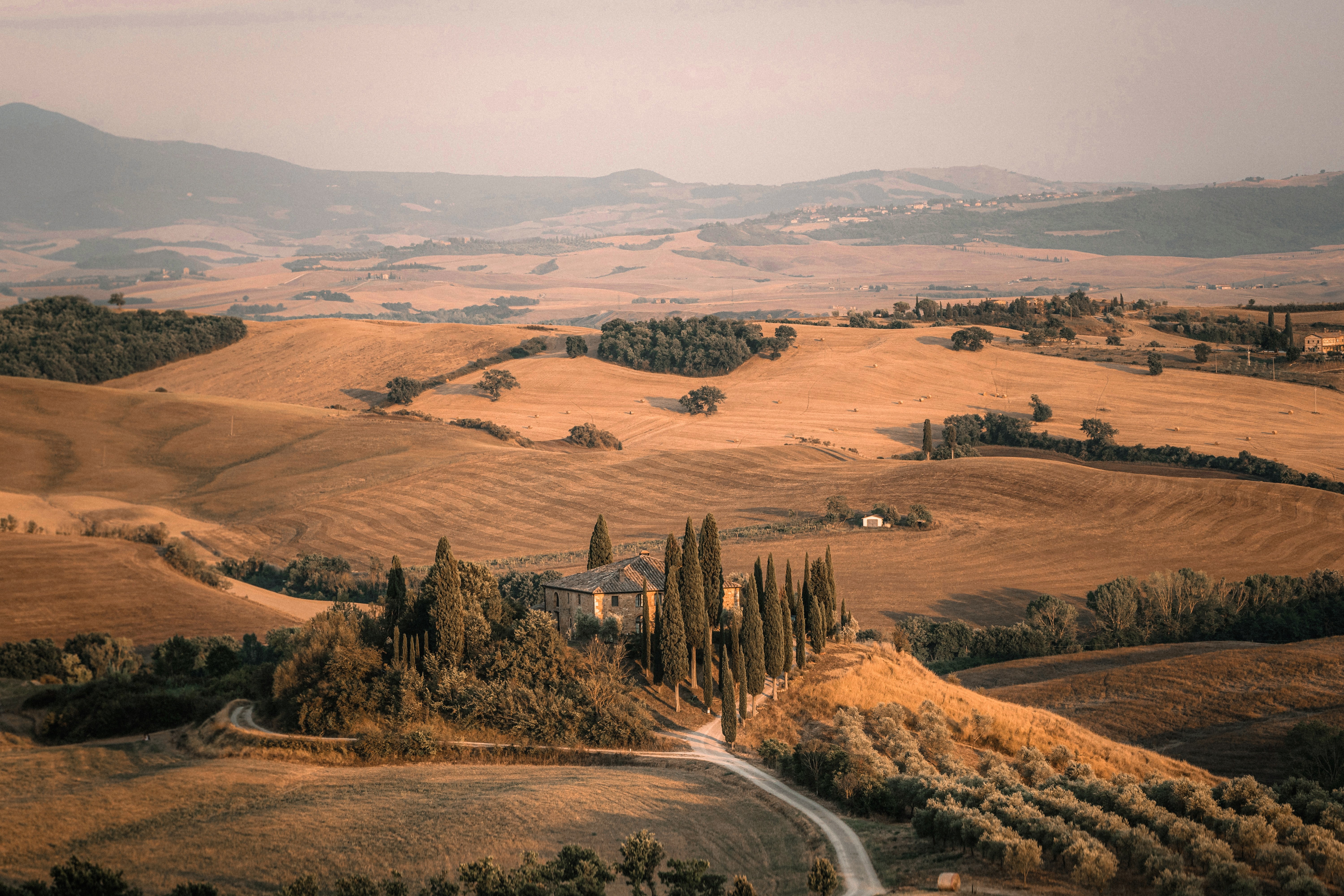
The ingredients Paolo sources — ancient Tuscan grains, cold-pressed olive oil, legumes, seasonal vegetables — were never chosen for marketing reasons. They happen to correspond almost exactly to the dietary profile the research consistently links to optimal cognitive performance. That is not a coincidence. It is what people ate for centuries in a region where the work didn't stop after lunch.
Why invisible hospitality is the hardest kind
There is a paradox at the centre of this work. The better we do our job, the less it is noticed.
This sounds like a frustrating proposition. In practice, it is the most accurate measure of whether something worked.
A 2020 study in Organizational Behavior and Human Decision Processes found that trust in a service provider was most strongly predicted not by the quality of the output, but by perceived attentiveness — the sense that the provider was actively tracking your needs rather than executing a preset process. The food could be identical. The thing that changed people's experience was whether they felt thought about.
A service that flows without interruption, food that arrives at the right moment, a table that feels right without anyone being able to say why, an afternoon that stays sharp when it should have faded — these things produce the absence of friction. And the absence of friction produces focus, ease, the conditions for something real to happen.
The people in the room should be full into the conversation and the moment. When that's the case, something worked. When it isn't, something didn't — and it is usually the thing that nobody thought to think about.
What we do differently
Before any menu is designed, we ask about the moment. Who will be there. What the gathering is for. What the afternoon needs to feel like at the end, compared to the beginning. What has been hard about similar events before.
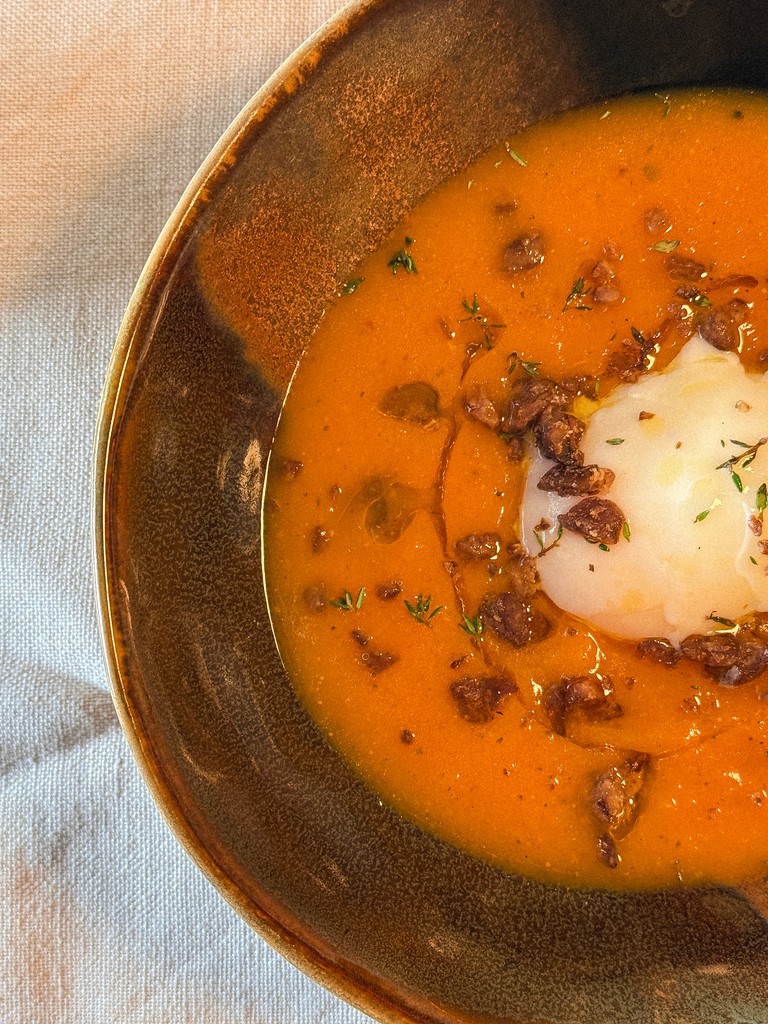
Then Paolo cooks — from ingredients sourced from small producers in Tuscany and Umbria, prepared at a certified kitchen in Dubai, finished on site. The menus are built around digestibility and sustained energy as much as taste. The portions are considered. The service is quiet. The materials on the table were chosen, not ordered.
When it's over, Paolo leaves the room without ceremony.
What remains is the conversation.
That is what we are building for.